Find sweet tasted anise oil for Cosmetics, Flavoring, and Massage
Source sweet tasted anise oil from verified suppliers offering food grade and cosmetic raw materials. Compare 30 listings with varying purity, packaging, and certifications like GMP and MSDS for your specific needs.
Key considerations
Products List




$3000.00 - $3600.00
Moq: 2


Comprehensive Sourcing Guide
Sweet Tasted Anise Oil Sourcing Guide
Sourcing sweet-tasted anise oil requires a nuanced understanding of botanical origins, extraction methods, and regulatory compliance, particularly when the product is intended for use in cosmetics, food flavorings, or daily chemical applications. The market for this essential oil is characterized by a wide variance in purity, origin, and processing techniques, which directly impacts its suitability for high-end formulations versus bulk industrial use. Buyers must navigate a landscape where "anise" can refer to distinct botanical sources, such as Pimpinella anisum (true anise) or Illicium verum (star anise), each offering slightly different aromatic profiles and chemical compositions. The core keyword "sweet tasted anise oil" suggests a focus on the sensory profile, but procurement decisions must be grounded in verifiable chemical specifications and safety data to ensure product consistency and regulatory adherence.
This guide provides a structured approach to evaluating suppliers and products in this category, drawing on observed market signals and standard procurement practices. It emphasizes the importance of verifying raw material sources, extraction methods, and certification status before committing to purchase orders. By focusing on technical specifications, compliance documentation, and commercial terms, buyers can mitigate risks associated with adulteration, inconsistent quality, and supply chain disruptions. The following sections detail the critical factors that should influence sourcing decisions, ensuring that procurement teams can make informed, evidence-based choices that align with their specific operational and quality requirements.
Product Scope and Observed Listing Signals
The observed market for anise-related oils reveals a diverse range of product attributes, including various CAS numbers, purity levels, and packaging options. Listings frequently indicate origins in China, with specific regions like Ji'an, Jiangxi, noted as production hubs. The raw materials cited often include seeds, leaves, and fruits, reflecting the different botanical parts from which essential oils can be extracted. Extraction methods observed range from cold pressing and expression to distillation, each yielding oils with distinct chemical profiles and sensory characteristics. Buyers should note that while some listings specify "sweet almond" or "sweet orange oil," these are distinct products from anise oil, and careful verification of the botanical source is essential to avoid misidentification.
Purity claims in the market vary significantly, with some listings asserting 99% or 100% purity, while others focus on grade separations such as food grade, pharma grade, or chemical grade. Packaging options are equally varied, ranging from small 1kg containers to large 180kg galvanized steel drums, indicating flexibility in supply for both small-batch cosmetic manufacturers and large-scale industrial users. The state of the product is consistently described as a liquid, with color descriptions ranging from light yellow to deep orange, which may correlate with the specific botanical source or extraction method. Understanding these observed signals helps buyers narrow down potential suppliers and align their requirements with available market offerings.
Technical Specifications to Verify
Verifying the chemical composition and physical properties of sweet-tasted anise oil is critical for ensuring its suitability for specific applications. Buyers should request detailed Certificates of Analysis (COA) that specify key chemical markers, such as anethole content, which is the primary compound responsible for the characteristic sweet, licorice-like flavor and aroma. The CAS number is a crucial identifier; for true anise oil, the relevant CAS is typically 8008-57-9, while other anise-related oils may have different identifiers. Confirming the correct CAS number helps distinguish between true anise, star anise, and other similar oils, ensuring that the product meets the intended functional requirements.
Physical specifications such as density, refractive index, and solubility should also be verified against industry standards. The observed listings mention various standards, including "main content: d-Limonene," which is more characteristic of citrus oils, highlighting the need for careful scrutiny of product descriptions. Buyers should ensure that the supplier provides clear information on the oil's viscosity, color, and odor profile, as these factors can impact formulation stability and final product quality. Additionally, verifying the shelf life, which is often cited as 24 months or 2 years, and storage conditions, such as cool, dark places, is essential for maintaining product integrity during transit and storage.
Compliance and Safety Documentation
Compliance with regulatory standards is non-negotiable when sourcing sweet-tasted anise oil, especially for use in food, cosmetics, or pharmaceutical applications. Buyers must ensure that suppliers provide necessary certifications, such as MSDS (Material Safety Data Sheet), GMP (Good Manufacturing Practice), and FDA compliance, where applicable. These documents confirm that the product has been manufactured under controlled conditions and meets safety standards for handling and use. The presence of a COA (Certificate of Analysis) is also vital, as it provides independent verification of the product's purity and chemical composition.
In addition to certifications, buyers should verify that the supplier adheres to relevant international standards for essential oils, such as those set by the International Organization for Standardization (ISO) or the European Pharmacopoeia. For cosmetic applications, compliance with REACH (Registration, Evaluation, Authorization and Restriction of Chemicals) in the EU may be required. Buyers should also check for any specific restrictions or warnings related to allergens or sensitization, as anise oil can cause skin irritation in sensitive individuals. Ensuring that all documentation is up-to-date and readily available from the supplier is a key step in mitigating regulatory risks.
Cost Drivers and Commercial Terms
The cost of sweet-tasted anise oil is influenced by several factors, including the raw material source, extraction method, purity level, and order volume. Observed listings show a wide price range, from as low as $0.96 to over $3,999, reflecting the diversity of product grades and quantities available. MOQs (Minimum Order Quantities) also vary significantly, ranging from 1kg to 4800kg, allowing buyers to choose suppliers that match their volume requirements. Understanding these cost drivers helps buyers negotiate better terms and select suppliers that offer the best value for their specific needs.
Commercial terms such as payment methods, shipping options, and lead times should be clearly defined in the purchase agreement. Observed listings mention various packing options, including drums and smaller containers, which can impact shipping costs and handling requirements. Buyers should also consider the supplier's location, as proximity to ports or logistics hubs can affect transit times and costs. Negotiating flexible MOQs and volume discounts can help optimize costs, especially for long-term procurement relationships. Clear communication regarding Incoterms and liability for damage or loss during transit is essential to avoid disputes.
Supplier Qualification and Quality Control
Qualifying suppliers for sweet-tasted anise oil requires a thorough assessment of their manufacturing capabilities, quality control processes, and track record. Buyers should request information on the supplier's production facilities, including their extraction methods, purification processes, and testing protocols. Suppliers that offer OEM/ODM services may provide additional flexibility for custom formulations, but buyers should ensure that these services are backed by robust quality assurance systems. Verifying the supplier's history and reputation through references or industry reviews can provide valuable insights into their reliability and consistency.
Quality control measures should include regular testing of raw materials and finished products to ensure compliance with specified standards. Buyers should inquire about the supplier's procedures for handling deviations, such as batch-to-batch variability or contamination incidents. On-site audits or third-party inspections can provide additional assurance of the supplier's quality management systems. Establishing clear communication channels and regular performance reviews helps maintain high standards and addresses any issues promptly. Building a strong relationship with qualified suppliers is key to ensuring a stable and reliable supply of sweet-tasted anise oil.
Long-Term Procurement Checks
Long-term procurement of sweet-tasted anise oil requires ongoing monitoring of supplier performance, market trends, and regulatory changes. Buyers should establish key performance indicators (KPIs) to track metrics such as delivery times, product quality, and responsiveness to issues. Regular reviews of supplier performance help identify areas for improvement and ensure that the supplier continues to meet evolving requirements. Staying informed about changes in regulatory standards, such as new restrictions on certain chemical markers or updated safety guidelines, is essential for maintaining compliance.
Diversifying the supplier base can mitigate risks associated with supply chain disruptions, such as crop failures or geopolitical issues. Buyers should consider developing relationships with multiple suppliers to ensure continuity of supply and competitive pricing. Regularly updating specifications and requirements based on feedback from formulation teams and end-users helps ensure that the procured product remains aligned with business objectives. Continuous improvement in procurement processes, including the adoption of digital tools for tracking and analysis, can enhance efficiency and decision-making. By maintaining a proactive approach to supplier management, buyers can secure a reliable and high-quality supply of sweet-tasted anise oil for their operations.
FAQs
What certifications are available for sweet tasted anise oil?
Available certifications include GMP, FDA, MSDS, and COA. These documents verify that the product meets specific safety and quality standards required for cosmetic and food-grade applications in international trade.
How is sweet tasted anise oil typically packaged?
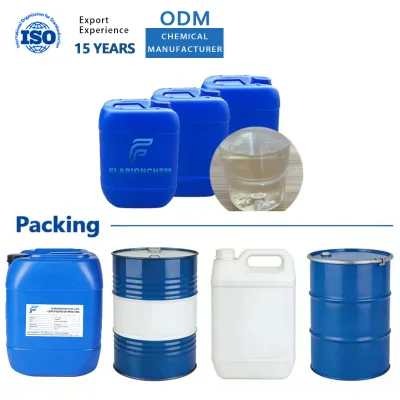
The product is commonly packed in drums, including galvanized steel drums with capacities of 1kg, 5kg, 10kg, 25kg, or 180kg. This packaging ensures safe transport and storage in cool, dry places.
Can I request customization for sweet tasted anise oil orders?
Yes, customization is available for this product. Buyers can often request specific packaging sizes or formulations, supported by OEM and ODM supply types to meet unique business requirements.
What is the minimum order quantity for sweet tasted anise oil?
The standard minimum order quantity is 25kg, though observed ranges can vary from 1 to 4800 units depending on the specific supplier. Buyers should verify the exact MOQ with the vendor before placing an order.
Where is sweet tasted anise oil manufactured?
The product originates from China, with specific manufacturing locations including Ji'an, Jiangxi. This regional origin is a key factor for logistics planning and supply chain verification.
What is the shelf life of sweet tasted anise oil?
The shelf life is typically 2 years or 24 months when stored correctly. Proper storage requires keeping the product in a cool, dark place to maintain its quality and stability over time.
Which raw materials are used to produce sweet tasted anise oil?
Raw materials include oil, fruit, seeds, and leaves, with specific ingredients like sweet almond and sweet orange oil. The extraction methods vary, including cold pressing, expression, and distillation.